Compare Strategies
| SHORT CALL LADDER | DIAGONAL BEAR PUT SPREAD | |
|---|---|---|
|
|
|
| About Strategy |
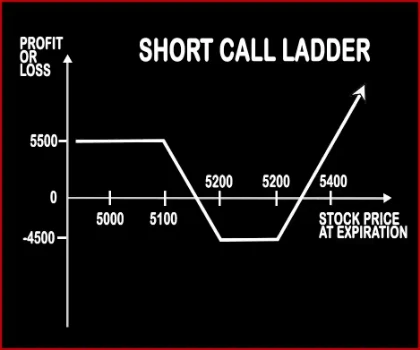
Short Call Ladder Option StrategyThis strategy is implemented when a trader is moderately bullish on the market, and volatility. It involves sale of an ITM Call Option, buying of an ATM Call Option & OTM Call Option. The risk associated with the strategy is limited. Risk:
|
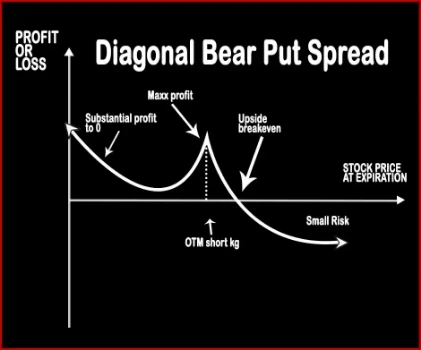
Diagonal Bear Put SpreadWhen the trader is neutral – bearish in the near-month and bearish in the mid-month, he will apply Diagonal Bear Put Spread. This strategy involves buying Mid-Month ITM Put Options and selling (short/write) equal number of Near-Month OTM Put Options, of the same underlying asset. This strategy bags limited rewards with limited risk. |
SHORT CALL LADDER Vs DIAGONAL BEAR PUT SPREAD - Details
| SHORT CALL LADDER | DIAGONAL BEAR PUT SPREAD | |
|---|---|---|
| Market View | Neutral | Bearish |
| Type (CE/PE) | CE (Call Option) | PE (Put Option) |
| Number Of Positions | 3 | 2 |
| Strategy Level | Advance | Beginners |
| Reward Profile | Unlimited | Limited |
| Risk Profile | Limited | Limited |
| Breakeven Point | Upper Breakeven Point = Total Strike Prices of Long Calls - Strike Price of Short Call + Net Premium Received Lower Breakeven Point = Strike Price of Short Call - Net Premium Received | This is a dynamic trade with many possible scenarios and future trades, it is impossible to calculate a breakeven. |
SHORT CALL LADDER Vs DIAGONAL BEAR PUT SPREAD - When & How to use ?
| SHORT CALL LADDER | DIAGONAL BEAR PUT SPREAD | |
|---|---|---|
| Market View | Neutral | Bearish |
| When to use? | This strategy is implemented when a trader is moderately bullish on the market, and volatility | When the trader is neutral – bearish in the near-month and bearish in the mid-month, he will apply Diagonal Bear Put Spread. This strategy involves buying Mid-Month ITM Put Options and selling (short/write) equal number of Near-Month OTM Put Options, of the same underlying asset |
| Action | Sell 1 ITM Call, Buy 1 ATM Call, Buy 1 OTM Call | Sell 1 Near-Month OTM Put Option, Buy 1 Mid-Month ITM Put Option |
| Breakeven Point | Upper Breakeven Point = Total Strike Prices of Long Calls - Strike Price of Short Call + Net Premium Received Lower Breakeven Point = Strike Price of Short Call - Net Premium Received | This is a dynamic trade with many possible scenarios and future trades, it is impossible to calculate a breakeven. |
SHORT CALL LADDER Vs DIAGONAL BEAR PUT SPREAD - Risk & Reward
| SHORT CALL LADDER | DIAGONAL BEAR PUT SPREAD | |
|---|---|---|
| Maximum Profit Scenario | Profit Achieved When Price of Underlying > Total Strike Prices of Long Calls - Strike Price of Short Call + Net Premium Received | 'Premiums received - Initial premium to execute + Strike price - Stock Price on final month |
| Maximum Loss Scenario | Strike Price of Lower Strike Long Call - Strike Price of Short Call - Net Premium Received + Commissions Paid | When the stock trades up above the long-term put strike price. |
| Risk | Limited | Limited |
| Reward | Unlimited | Limited |
SHORT CALL LADDER Vs DIAGONAL BEAR PUT SPREAD - Strategy Pros & Cons
| SHORT CALL LADDER | DIAGONAL BEAR PUT SPREAD | |
|---|---|---|
| Similar Strategies | Short Put Ladder, Strip, Strap | Bear Put Spread and Bear Call Spread |
| Disadvantage | • Unlimited risk. • Margin required. | Higher commissions due to additional trades. , Changes maximum profit potential of call or put spreads. |
| Advantages | • Higher probability of profit. • Unlimited upside profit. • Limited maximum loss. | The Risk is limited. |