Compare Strategies
| DIAGONAL BULL CALL SPREAD | SHORT PUT | |
|---|---|---|
|
|
|
| About Strategy |
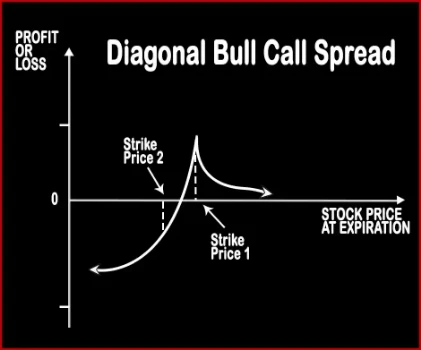
Diagonal Bull Call Spread Option StrategyThis strategy is implemented by a trader when he is neutral – moderately bullish in the near-month contract and bullish in the mid-month contract. It involves sale of 1 Near-Month OTM Call Option and buying of 1 Mid Month ITM Call Option. Risk:
|
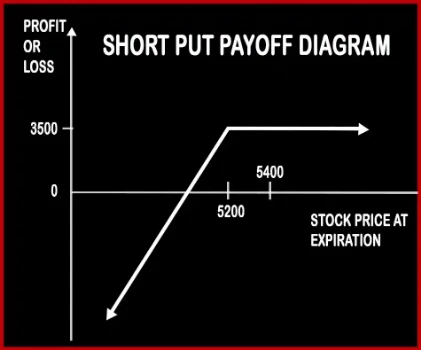
Short Put Option StrategyA trader will short put if he is bullish in nature and expects the underlying asset not to fall below a certain level. Risk: Losses will be potentially unlimited if the stock skyrockets above the strike price of put. |
DIAGONAL BULL CALL SPREAD Vs SHORT PUT - Details
| DIAGONAL BULL CALL SPREAD | SHORT PUT | |
|---|---|---|
| Market View | Bullish | Bullish |
| Type (CE/PE) | CE (Call Option) | PE (Put Option) |
| Number Of Positions | 2 | 1 |
| Strategy Level | Beginners | Beginners |
| Reward Profile | Limited | Limited |
| Risk Profile | Limited | Unlimited |
| Breakeven Point | Strike Price - Premium |
DIAGONAL BULL CALL SPREAD Vs SHORT PUT - When & How to use ?
| DIAGONAL BULL CALL SPREAD | SHORT PUT | |
|---|---|---|
| Market View | Bullish | Bullish |
| When to use? | This strategy works well when you're Bullish that the price of the underlying will not fall beyond a certain level. | |
| Action | Buy 1 Long-Term ITM Call Sell 1 Near-Term OTM Call | Sell Put Option |
| Breakeven Point | Strike Price - Premium |
DIAGONAL BULL CALL SPREAD Vs SHORT PUT - Risk & Reward
| DIAGONAL BULL CALL SPREAD | SHORT PUT | |
|---|---|---|
| Maximum Profit Scenario | Premium received in your account when you sell the Put Option. | |
| Maximum Loss Scenario | Unlimited (When the price of the underlying falls.) | |
| Risk | Limited | Unlimited |
| Reward | Limited | Limited |
DIAGONAL BULL CALL SPREAD Vs SHORT PUT - Strategy Pros & Cons
| DIAGONAL BULL CALL SPREAD | SHORT PUT | |
|---|---|---|
| Similar Strategies | Bull Put Spread | Bull Put Spread, Short Starddle |
| Disadvantage | • Unlimited risk. • Huge losses if the price of the underlying stock falls steeply. | |
| Advantages | • Benefit from time decay. • Less capital required than buying the stock outright. • Profit when underlying stock price rise, move sideways or drop by a relatively small account. |